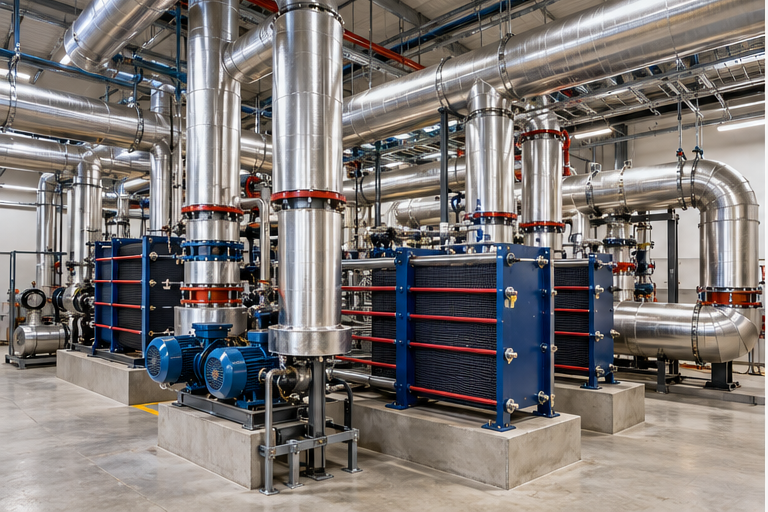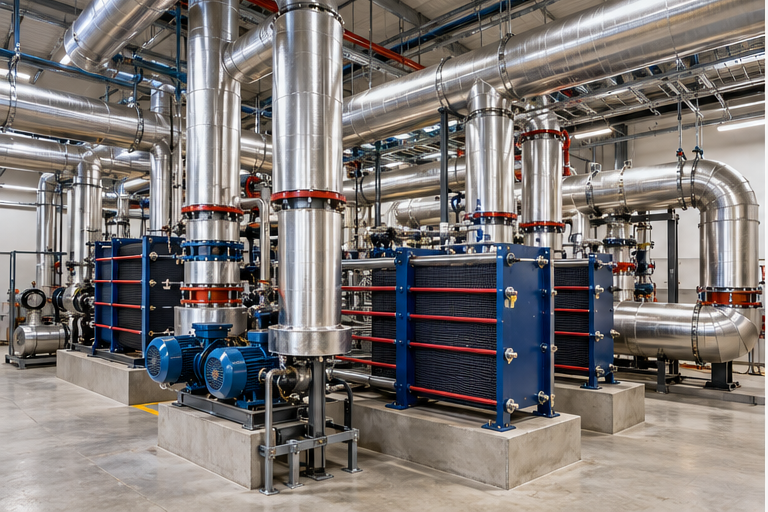
Internal closed cooling
Isolate IT liquid cooling from public water and any river intake.

A credible clean-data-centre proposal accounts separately for water withdrawals, actual consumption, thermal discharge and fish habitat.

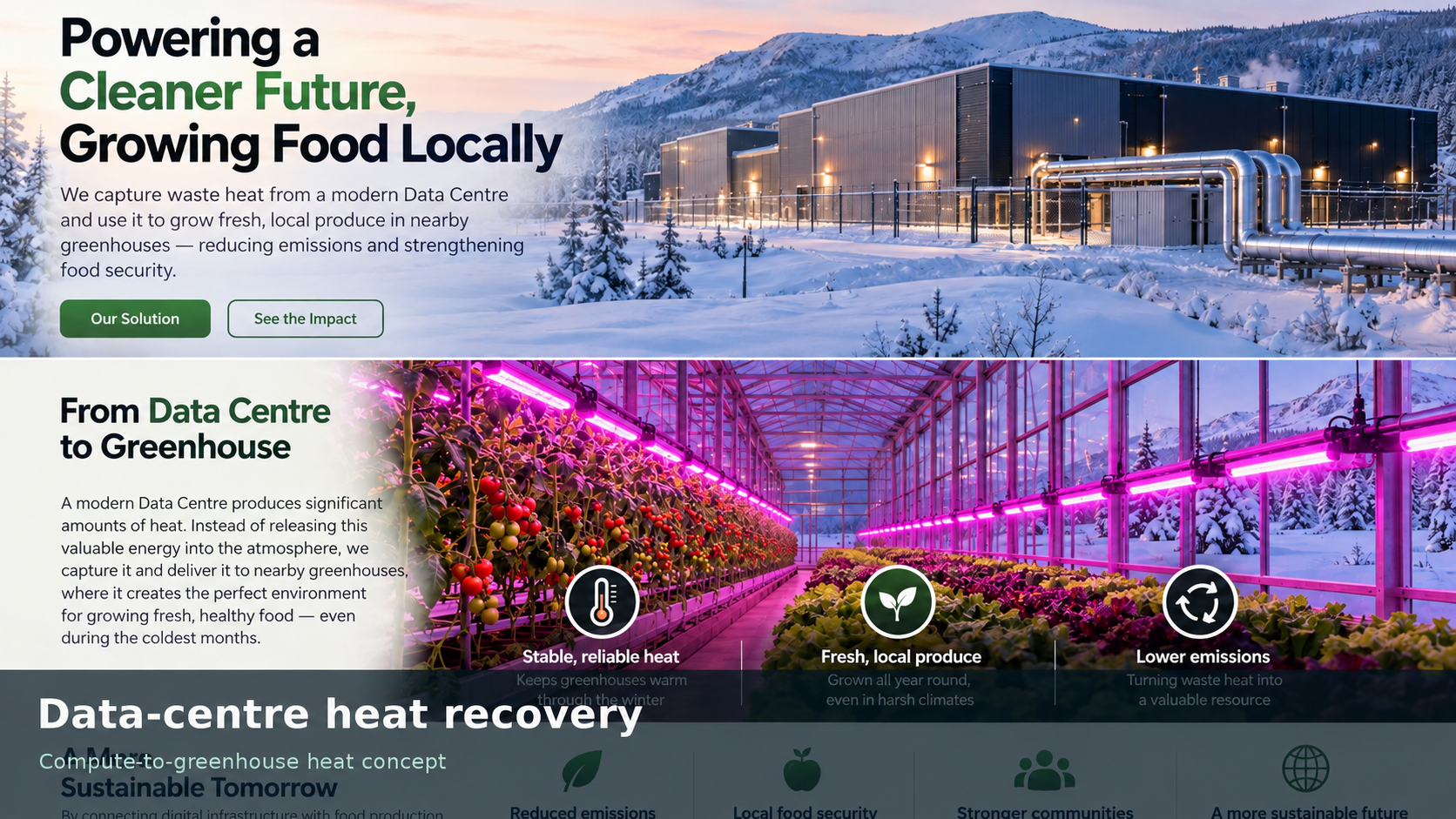
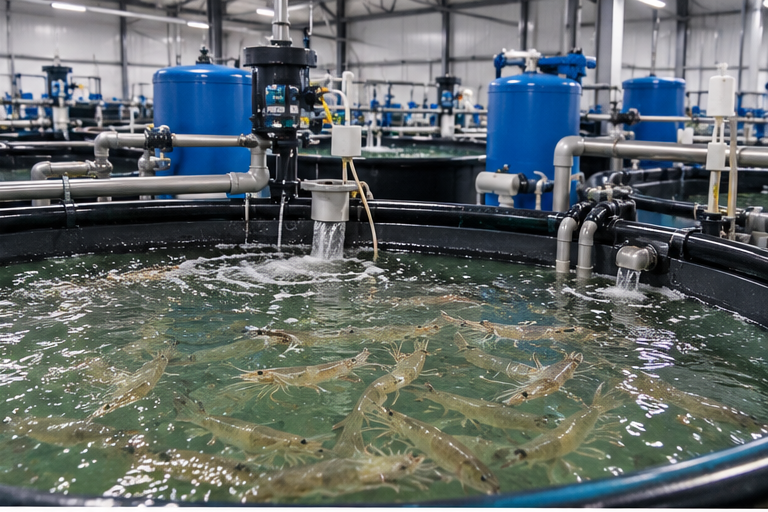
The baseline is a closed secondary liquid cooling loop inside the data centre and heat exchangers serving nearby greenhouses, aquaculture, dryers and hot-water loads. A river-side heat sink is only a candidate after scientific and regulatory review.
Isolate IT liquid cooling from public water and any river intake.

Deliver it first to district heating, agricultural drying, RAS water heating and greenhouses.
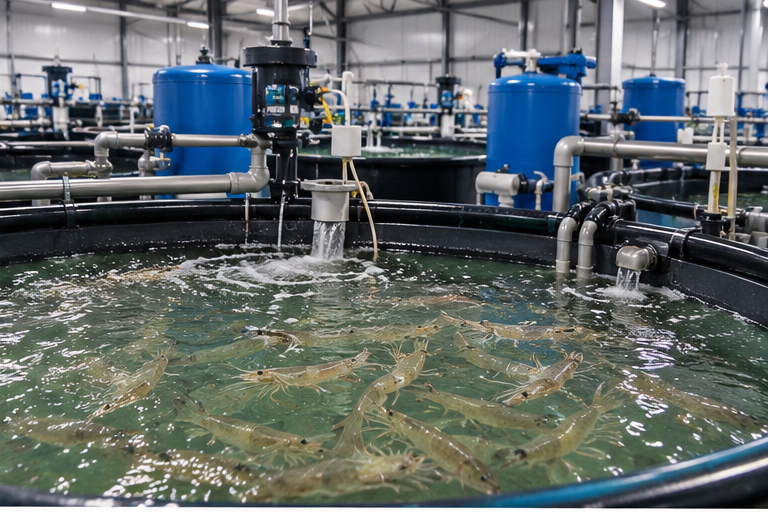
Demonstrate compliance with river temperature, fish habitat, permit and seasonal-flow restrictions.
Avoid FEMA flood hazards, sensitive shoreline and erosion corridors where practicable.
“Zero cooling water” would be misleading for a river-cooled architecture if river water is withdrawn, even when largely returned. The website therefore reports river withdrawal, consumptive loss and thermal discharge as distinct measures to be assessed.
The Columbia and tributaries support migratory fish and treaty-protected resources. Any assessment must involve the competent Washington and federal agencies and affected Tribes.
The source illustrations are from the BC website and do not show constructed sites in Washington.