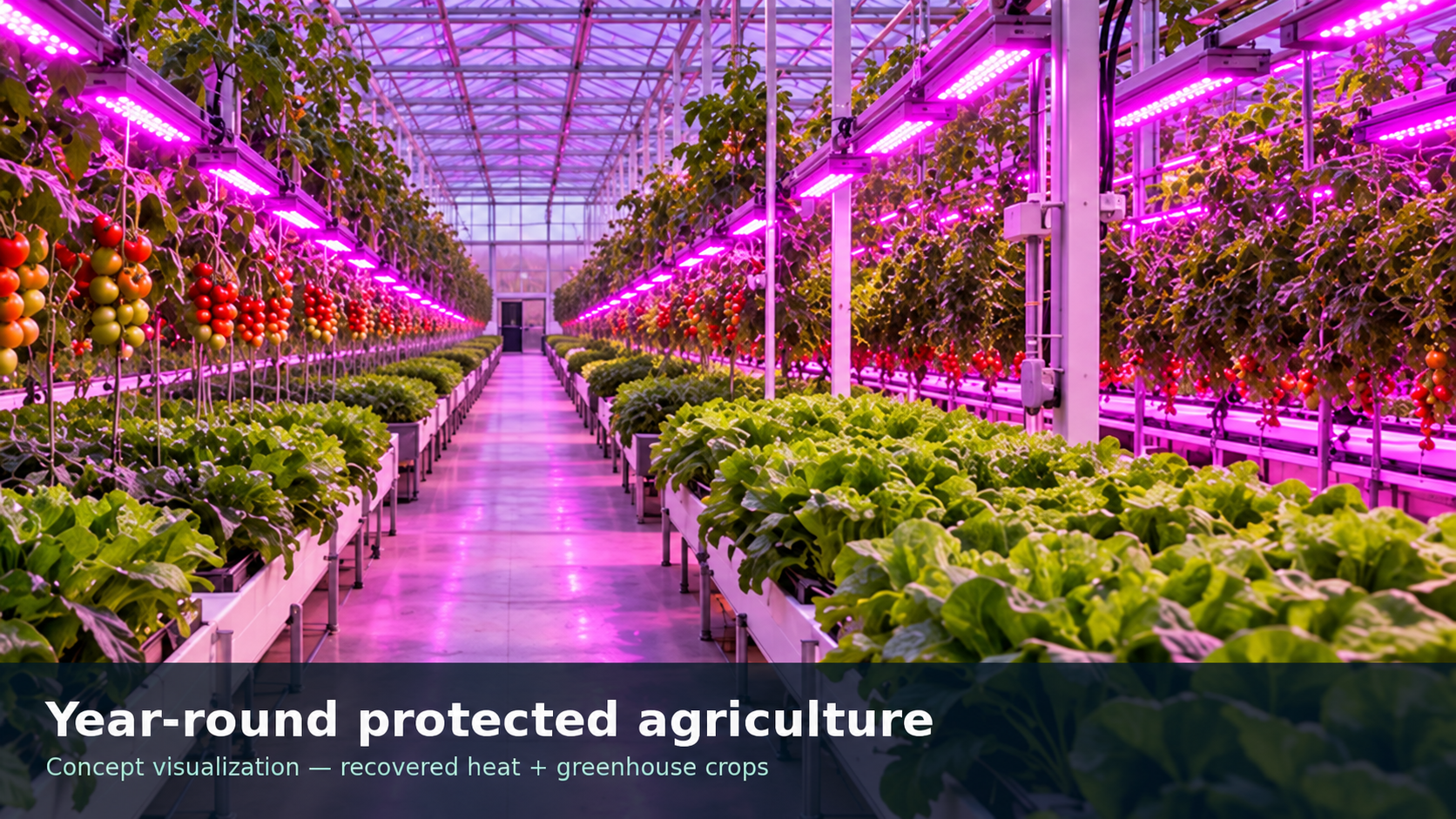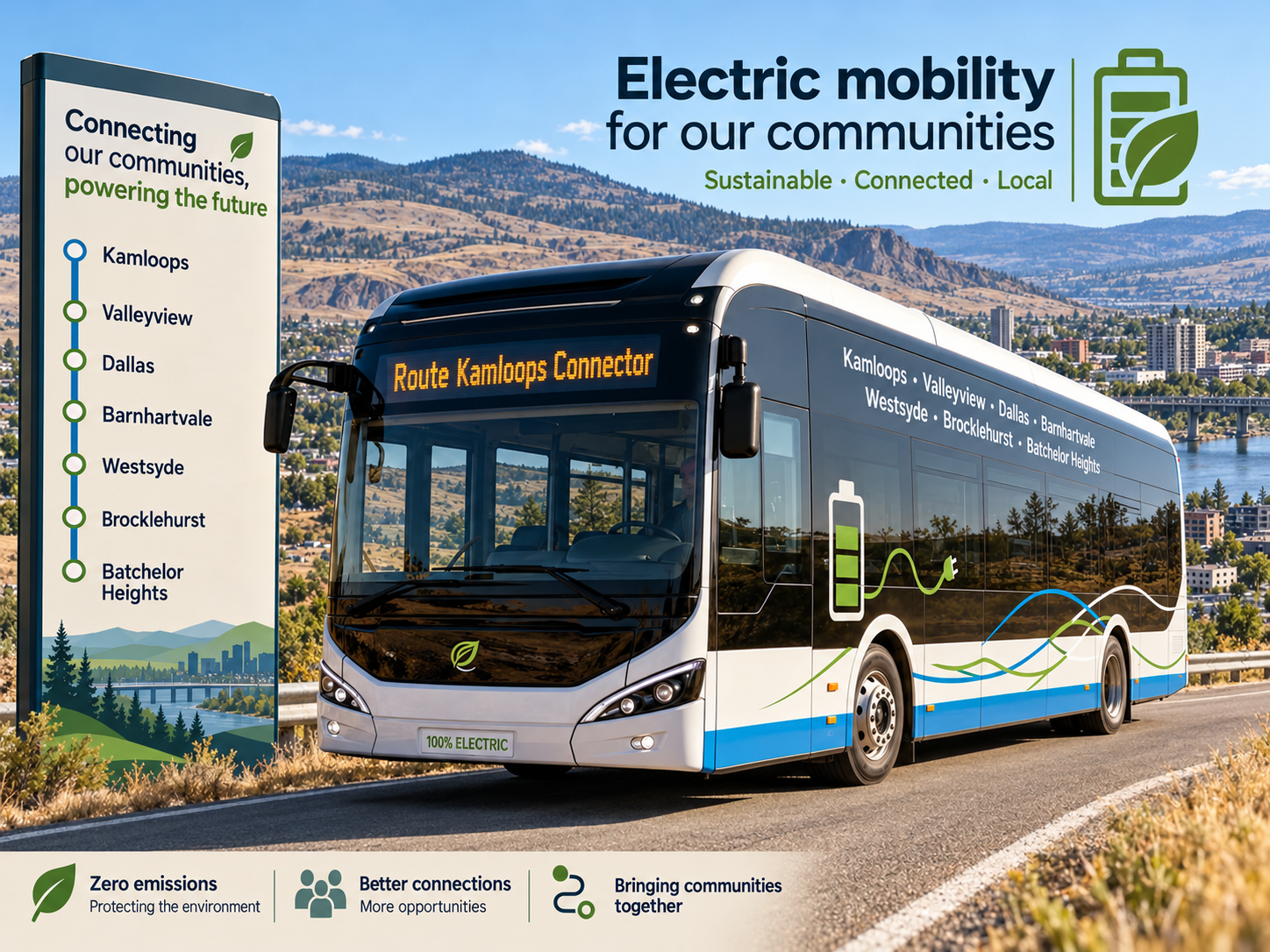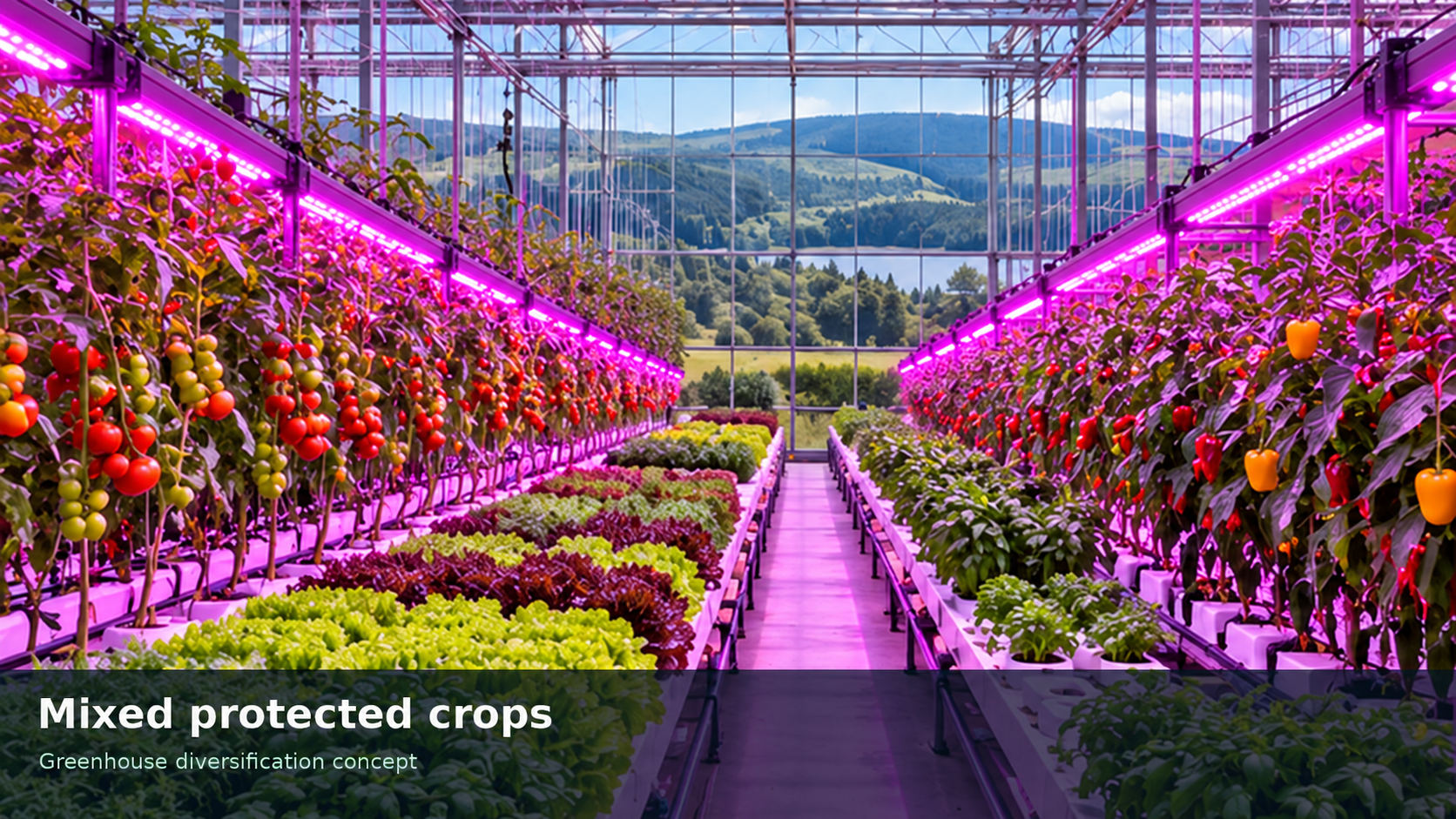
Free local food
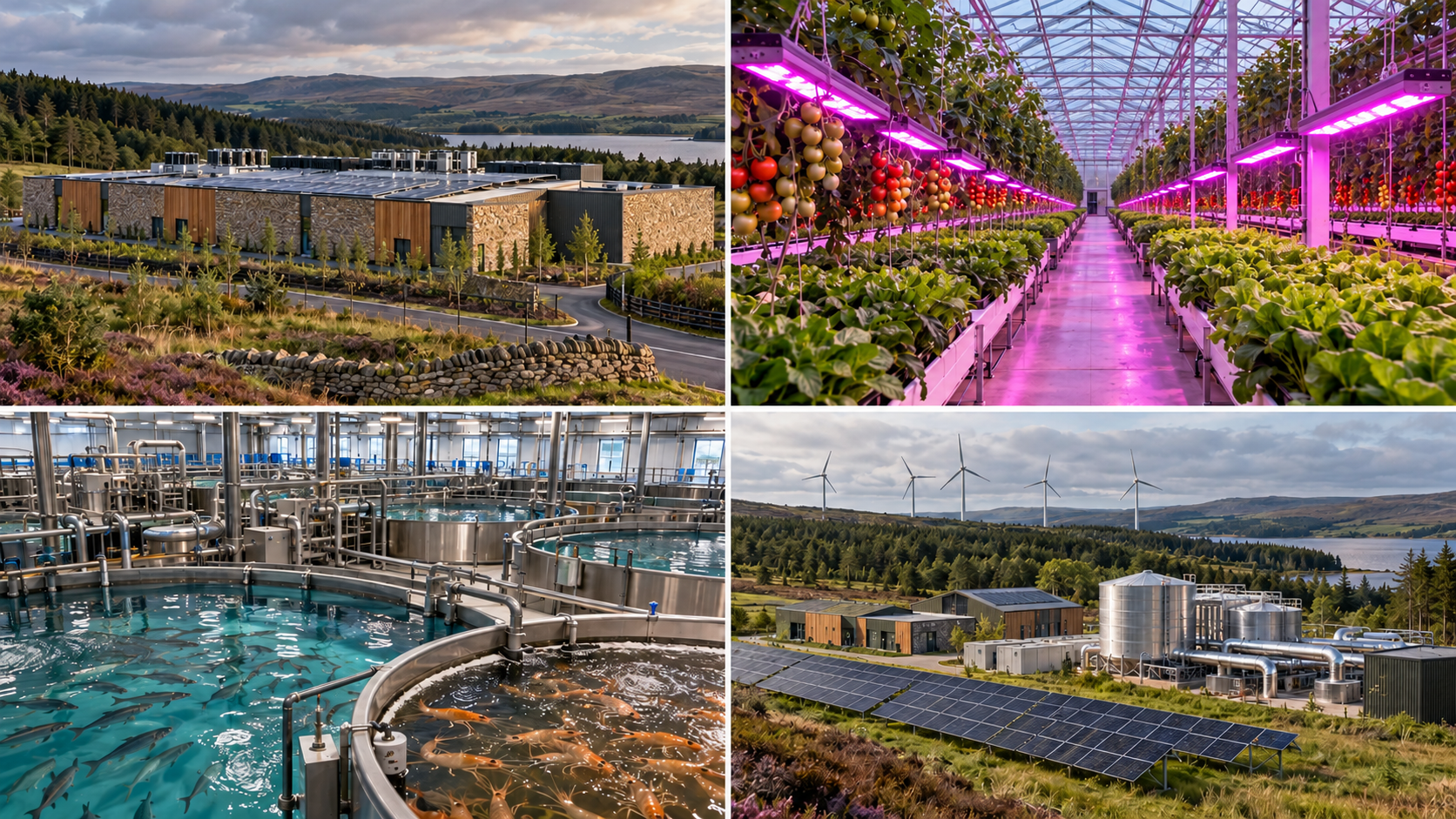
Vegetables, fruit and sustainably farmed seafood could be distributed through an audited resident programme.

Food, heat, transport and useful services should return value to households — with operating costs openly accounted for.

Vegetables, fruit and sustainably farmed seafood could be distributed through an audited resident programme.
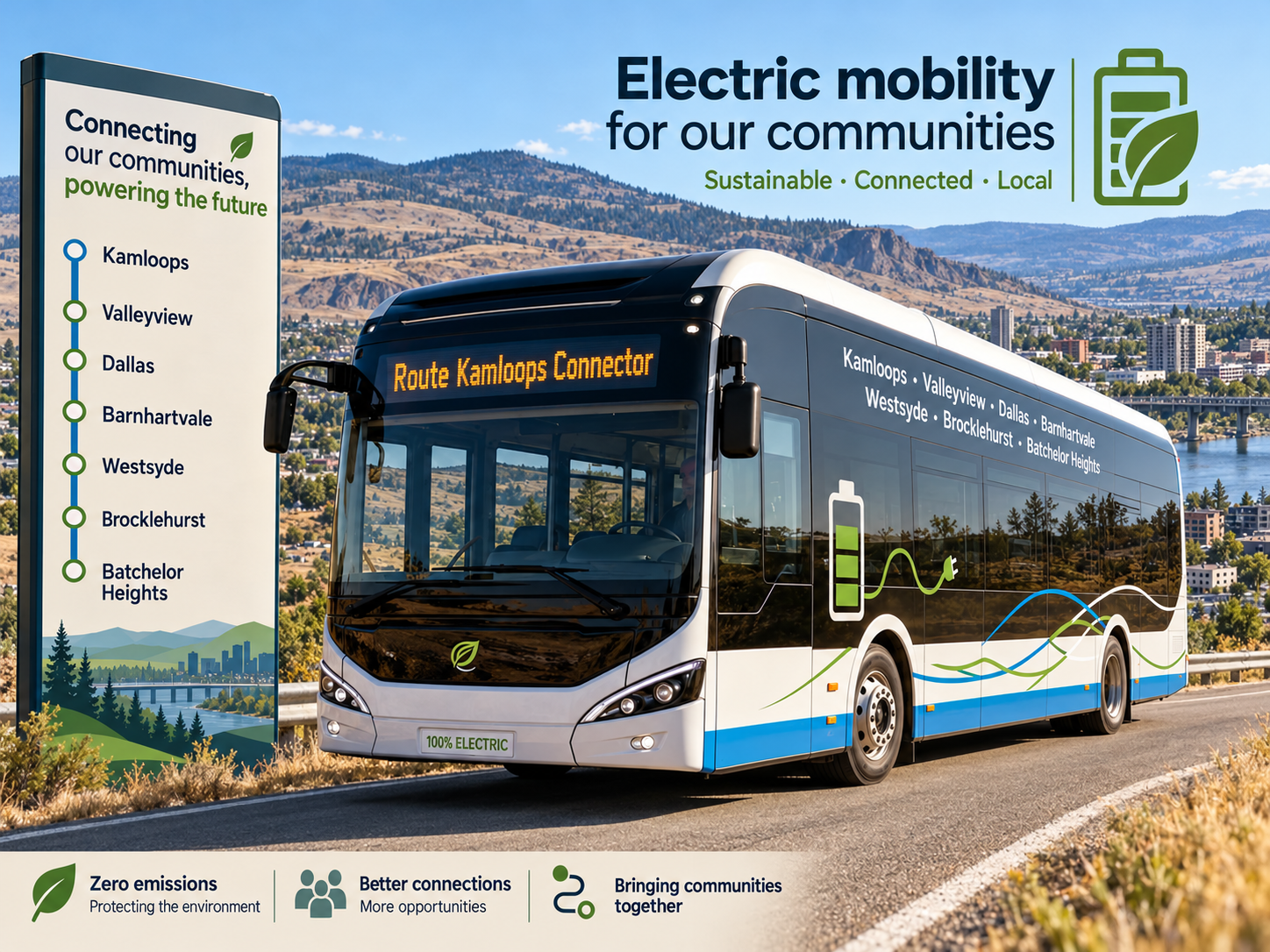
Public EV charging, accessible buses and vehicle support, with eligibility and budget rules published.

Community hot water, greenhouses, drying and aquaculture use heat only where temperature, distance and demand work.
Discounted verified low-carbon fuels for heavy vehicles, farms and emergency power, with lifecycle emissions disclosed.
* The heat scenario assumes 85% of IT heat is captured and 60% of captured heat is actually used. It is not a verified heat-market study; actual temperatures, heat pumps, thermal storage and piping losses must be assessed.
Free food, vehicles, charging and hot water are programme targets, not benefits currently funded or guaranteed. They require an independently audited business model, resident eligibility rules and binding commitments.
The source illustrations are from the BC website and do not show constructed sites in Washington.