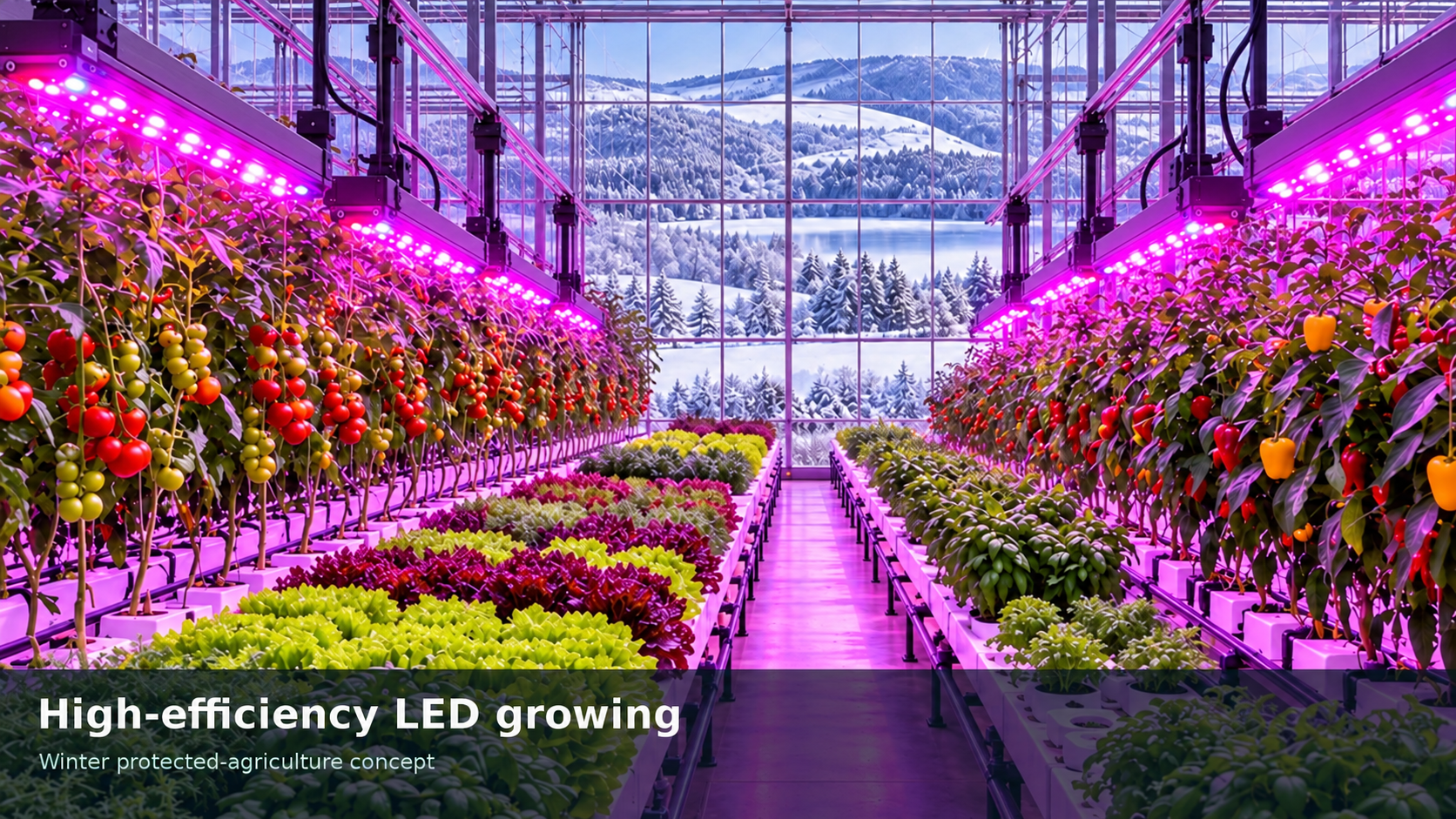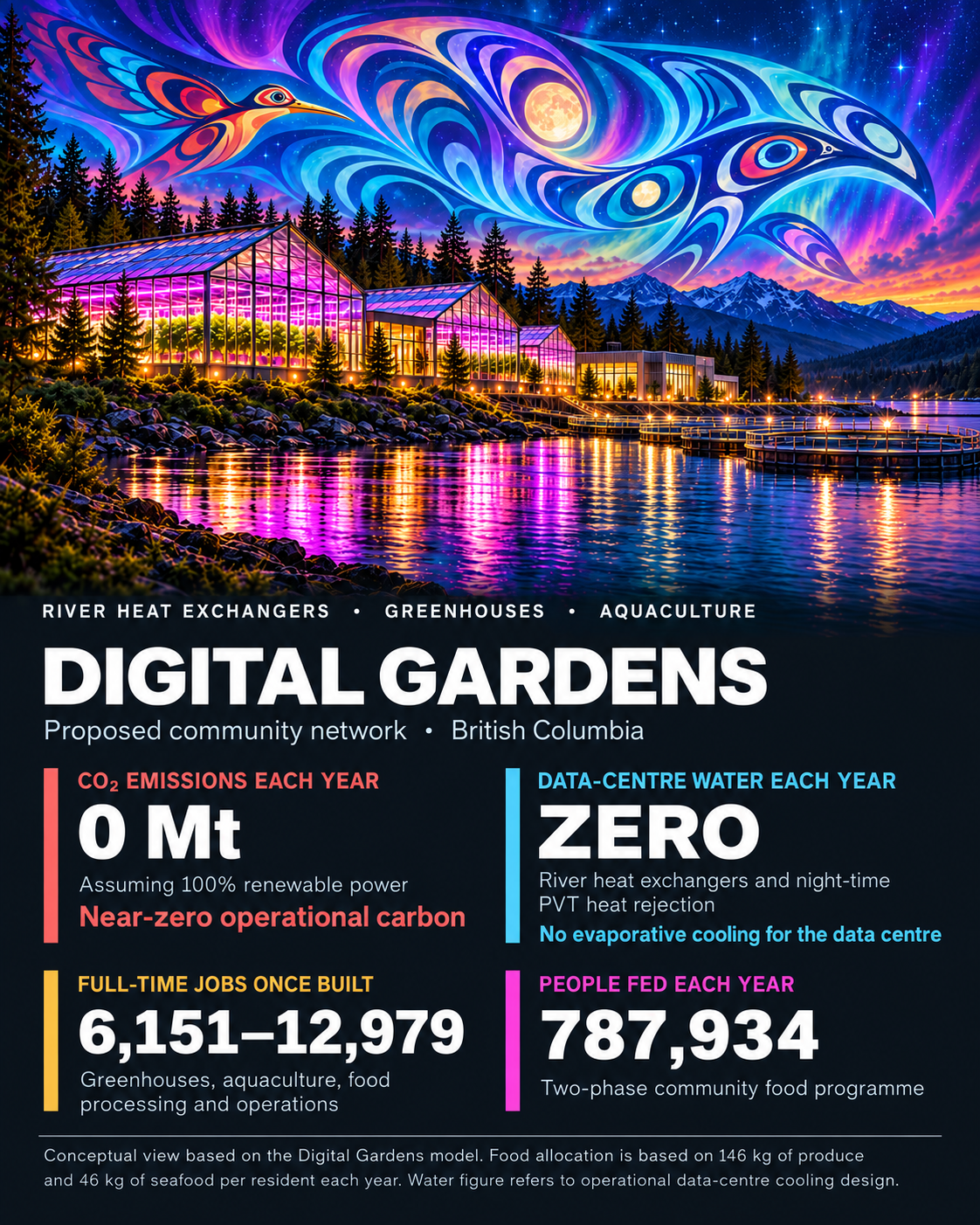
LED-lit winter greenhouses
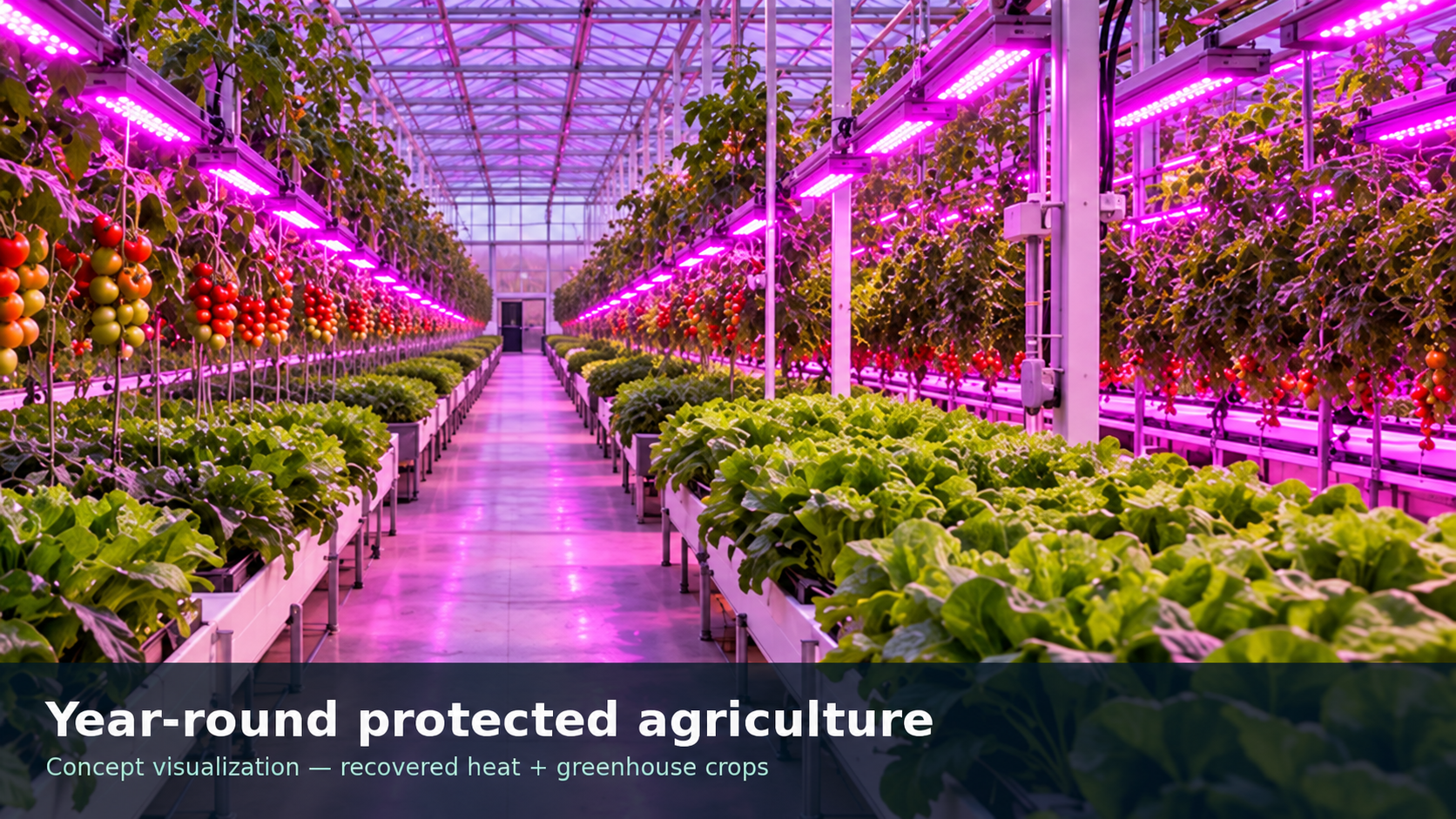
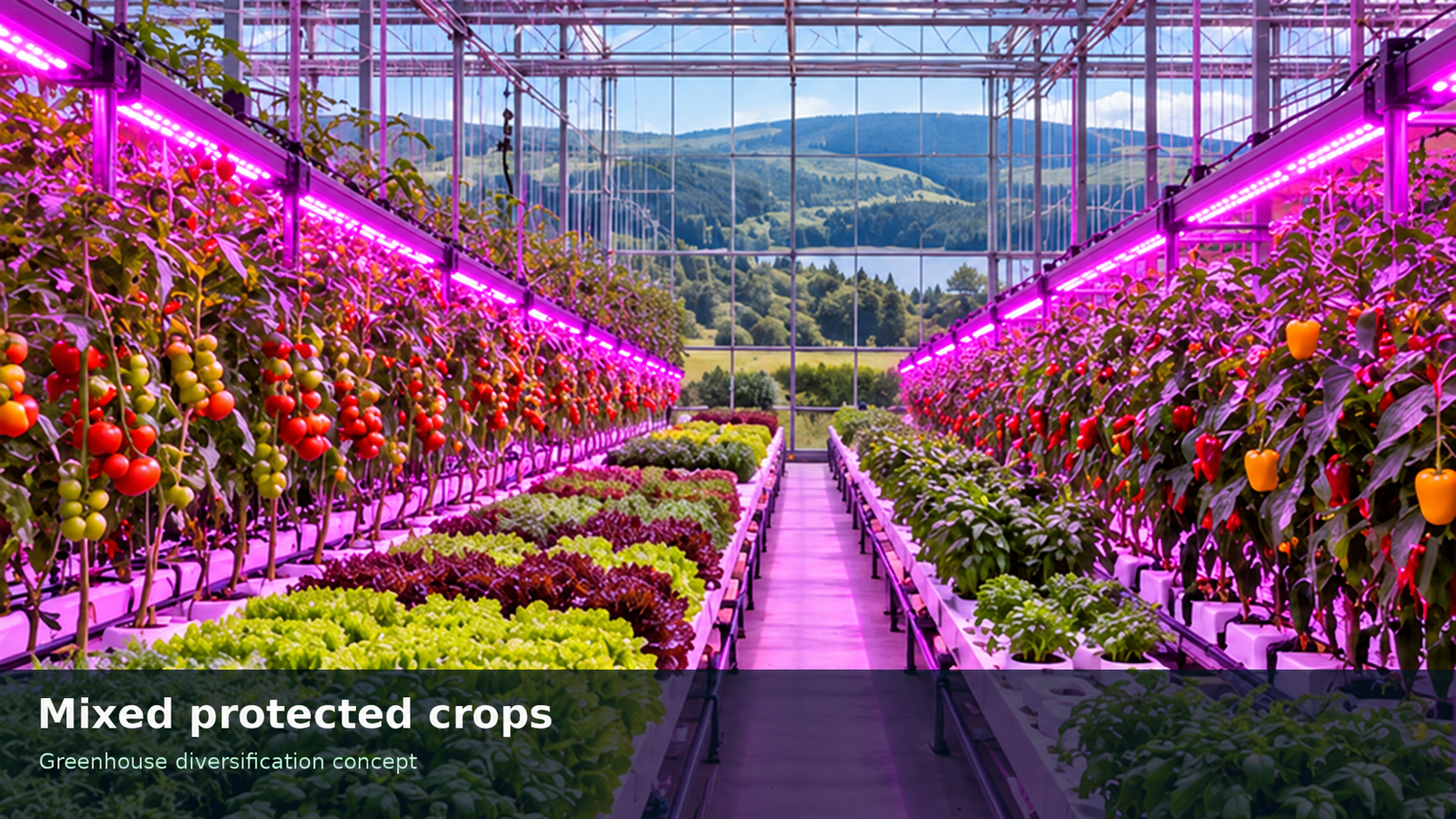
Temperature, humidity, light and condensate recovery are designed around real crop conditions.

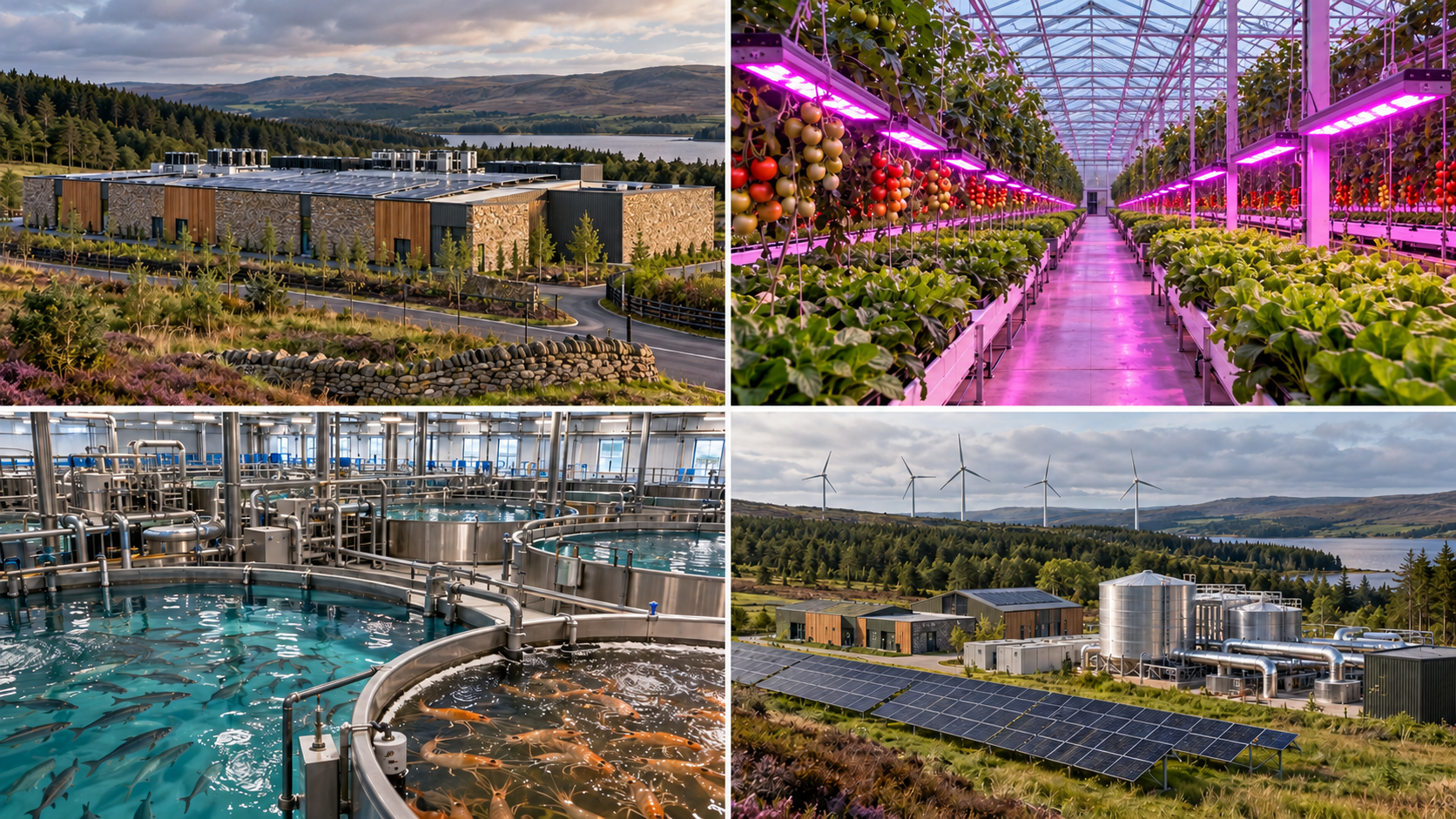
Greenhouses, fish and prawn farms, crop dryers, refrigeration and local food distribution are designed as one energy cascade.

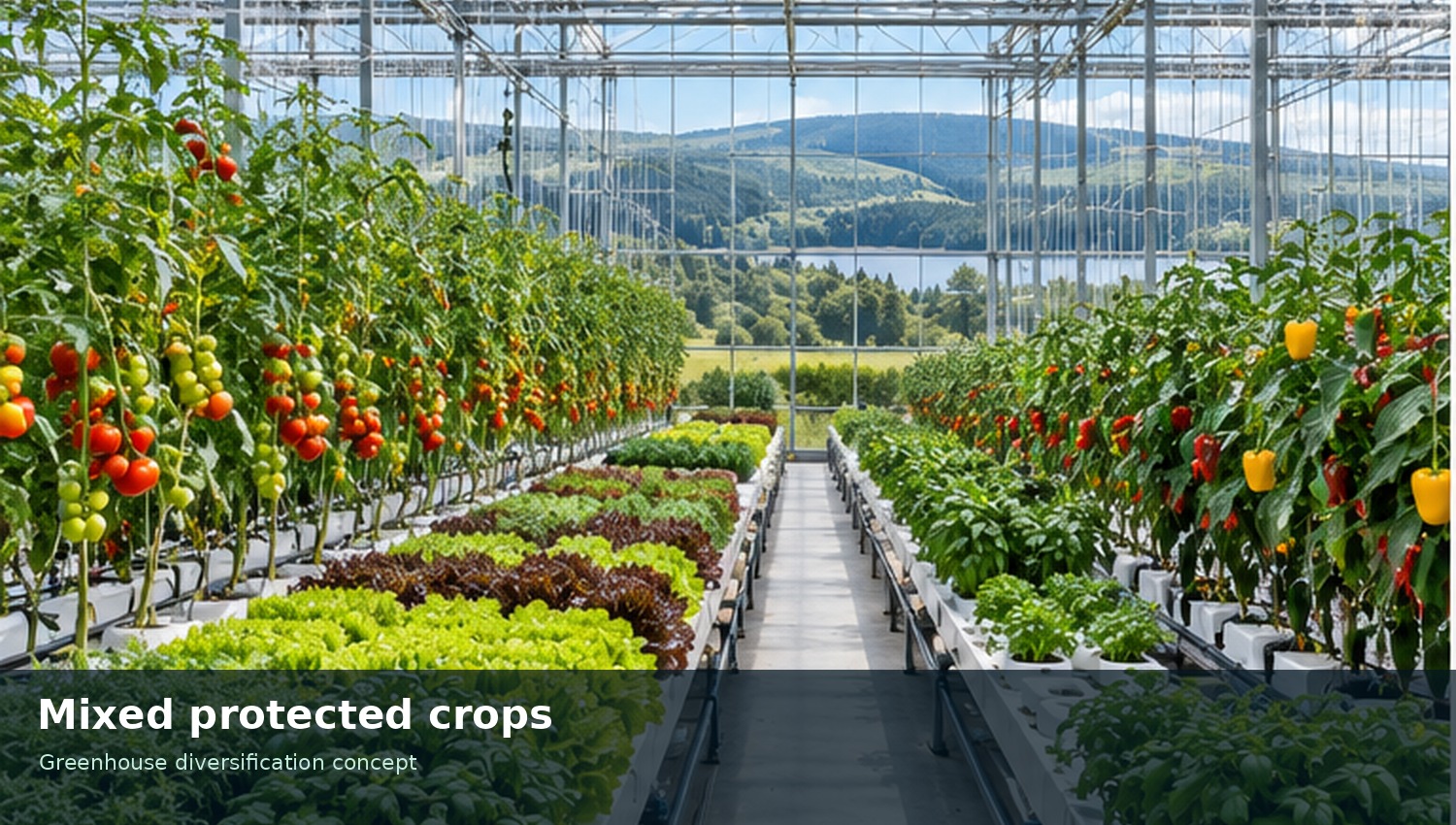
Temperature, humidity, light and condensate recovery are designed around real crop conditions.
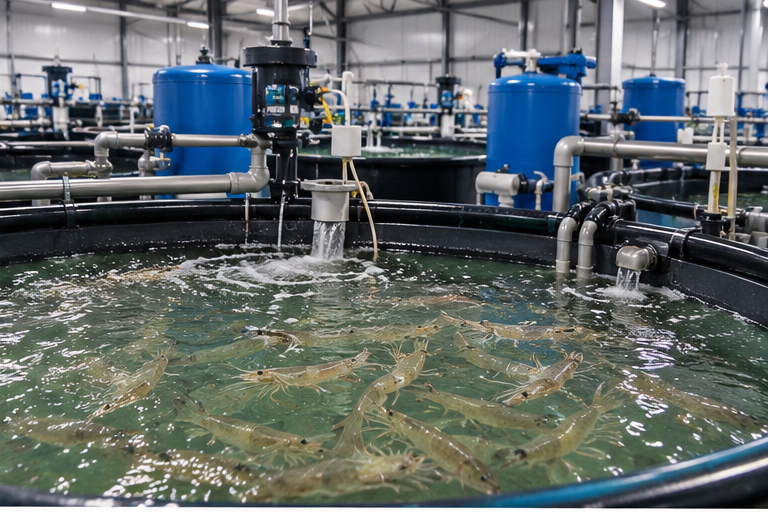
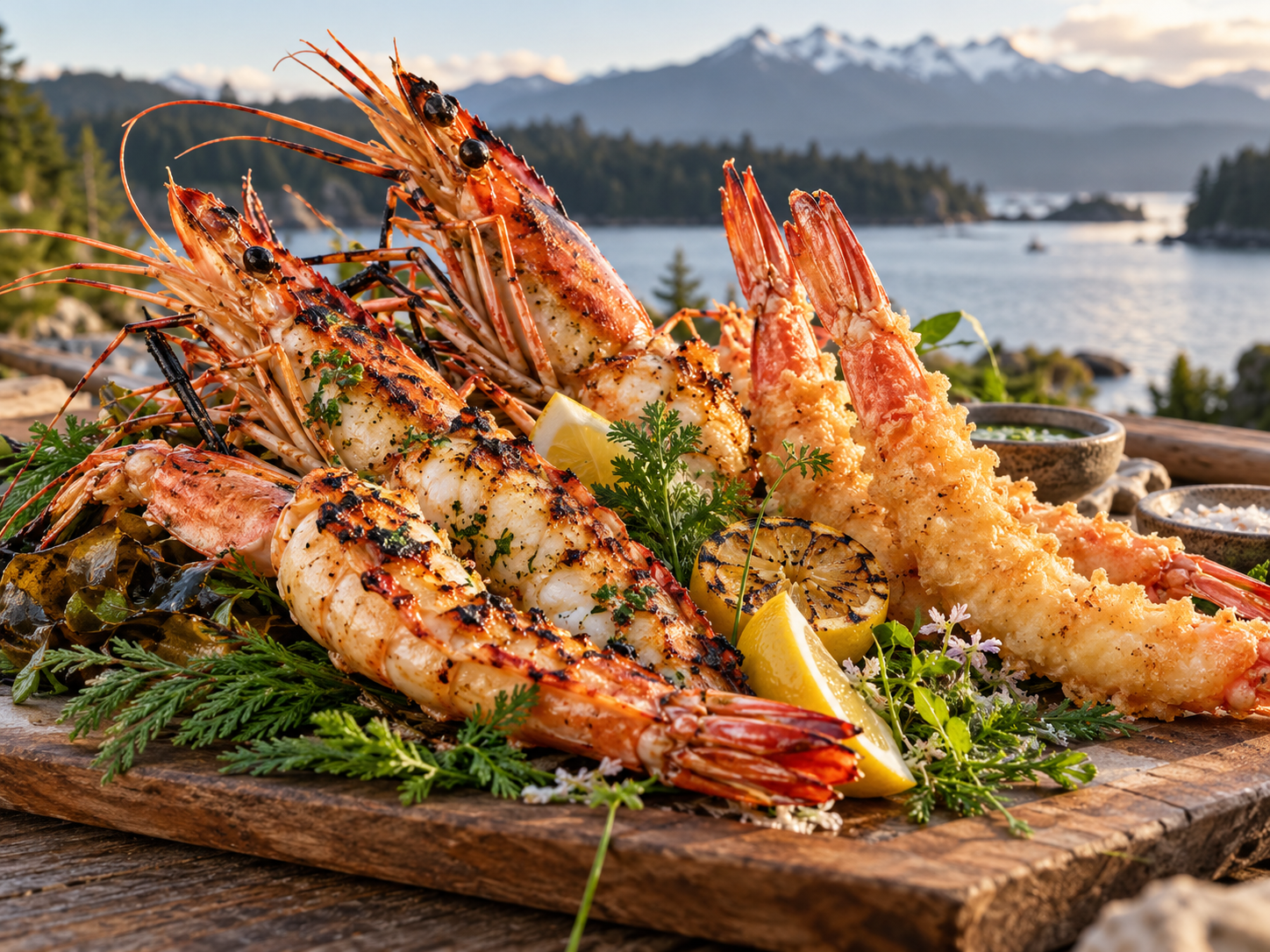
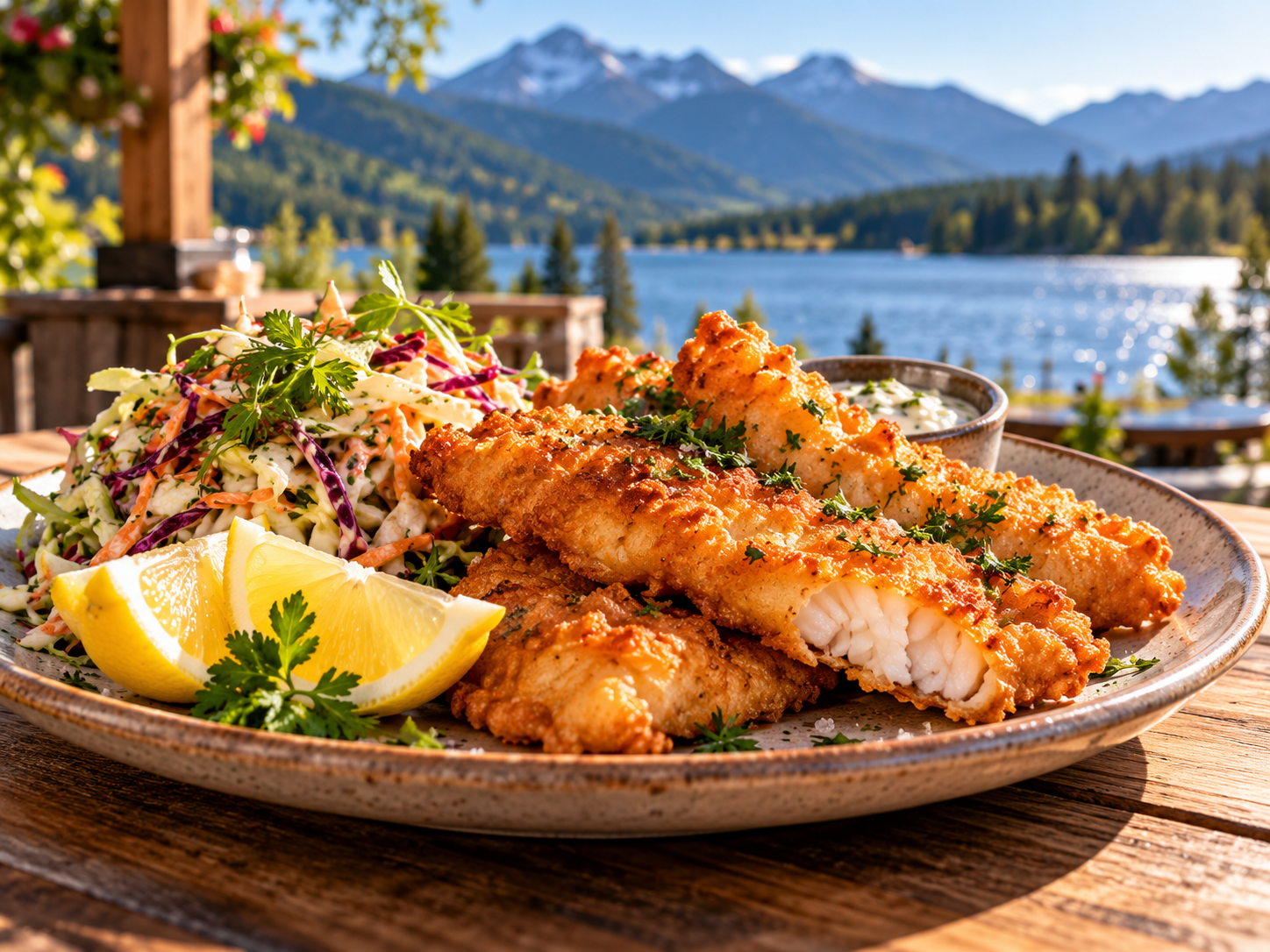
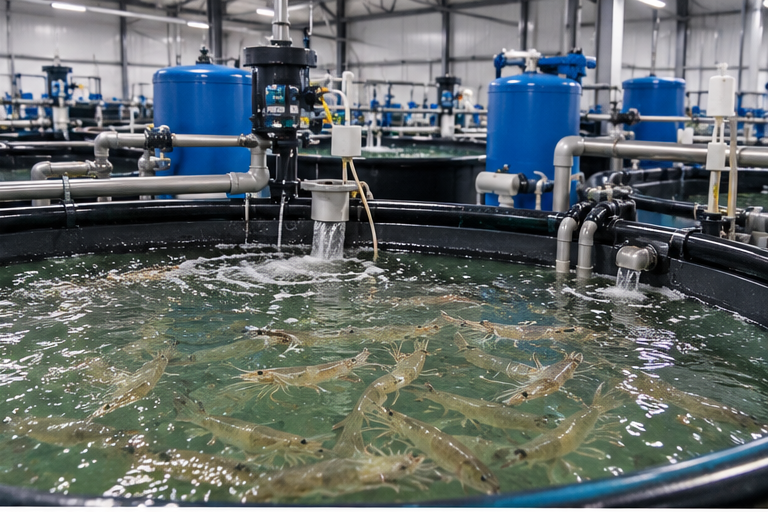
Freshwater prawns, tilapia or trout are examples for species- and market-specific feasibility studies, not approved stocking plans.
Electric or heat-pump-assisted dryers use low-carbon heat and avoid fossil-fuel-dependent processing where viable.
Cold chains, community pickup points, food safety, packaging and rural suppliers form part of the design.
No fish or prawns would be released into the Columbia system. Farms would be closed-loop or suitably permitted; biosecurity, wastewater and invasive-species management are required.
Greenhouses, food logistics, timber-derived residues and fish farming where viable.
Small heat modules and visual-impact control; do not assume a large greenhouse site in a scenic area.
Fruit, grain, dairy and food processing offer potential demand for dryers and nutrient recovery.
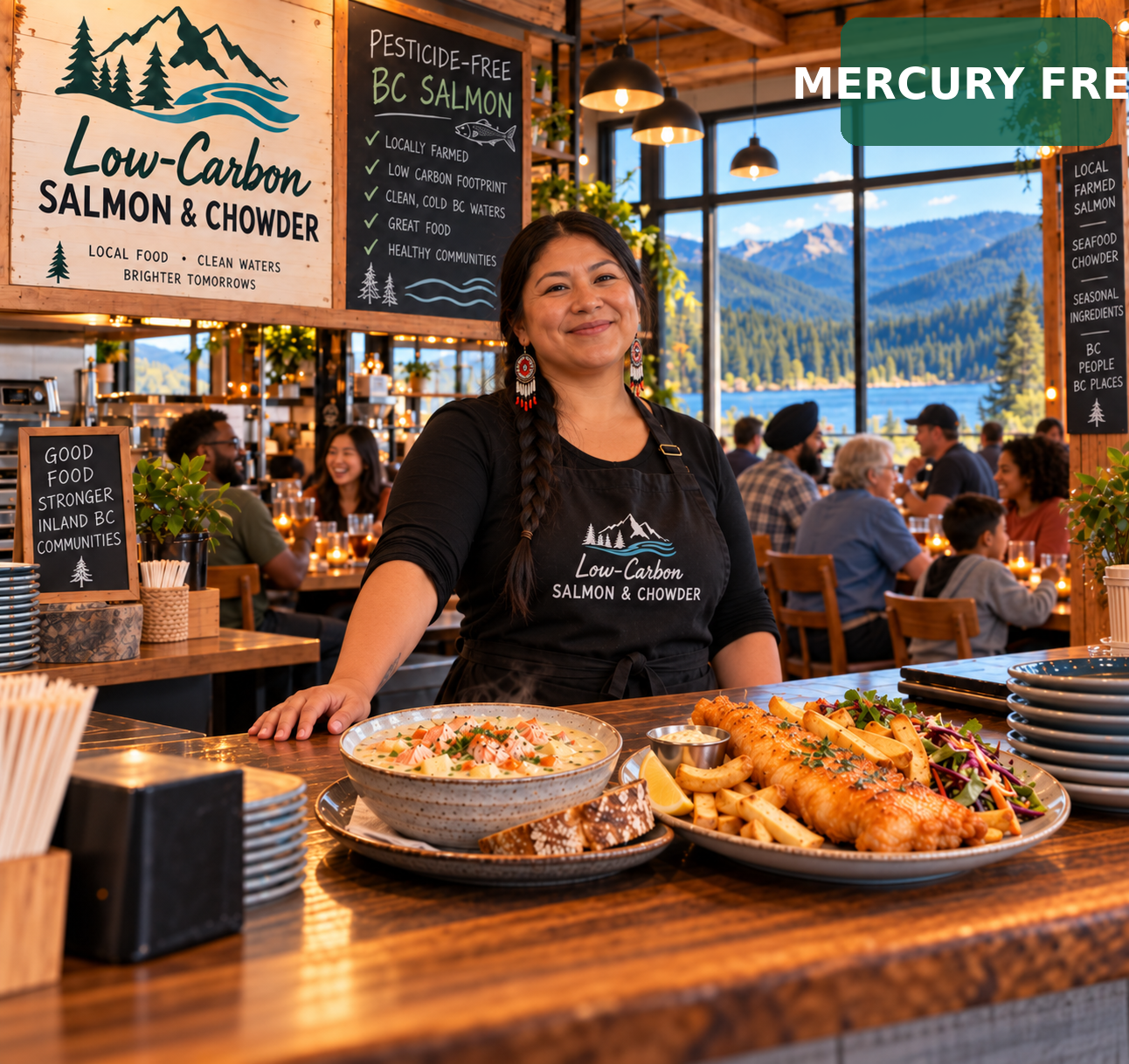
The source illustrations are from the BC website and do not show constructed sites in Washington.